
What Probate Really Costs a Chandler Family With One Home
Key Takeaways: Arizona has no set percentage fee for probate, so what a typical Chandler family estate costs depends mostly on which legal path the estate qualifies for. If the value of the decedent’s Arizona real property, minus liens and encumbrances, is $300,000 or less at the date of death, heirs may be able to skip probate for that property by filing a sworn affidavit under A.R.S. § 14-3971 no sooner than six months after the death. To qualify, funeral costs, final illness expenses, and unsecured debts must be paid, no federal estate tax can be due, and no application or petition to appoint a personal representative can be pending or granted. Estates that don’t qualify generally go through informal or formal probate, which can add court filing fees, creditor notices, possible bonds, accountings, and hearings. Under A.R.S. § 14-3719, the personal representative may be entitled to reasonable compensation, and family members who serve can waive it so more goes to the beneficiaries.
For a typical Chandler family estate, the cost of probate in Arizona depends mostly on which legal path the estate qualifies for, not on a fixed price. Arizona law does not set a percentage fee for probate. Total expenses usually combine court filing fees, publication and bond costs, reasonable compensation for the personal representative, and reasonable attorney compensation. When a family owns a single home and modest savings, Arizona law may allow heirs to transfer the real property by sworn affidavit without opening a probate case, which can greatly reduce costs. This post walks through one common scenario: a parent in Chandler passes away owning a house, a car, and a few bank accounts.
If you are settling a parent’s or spouse’s estate and want a clear picture of what lies ahead, a short conversation can save you weeks of guesswork. The team at Walk-in Wills helps Arizona families understand their options in plain English, in person or fully online. Call (480) 470-7000 or contact us now to schedule a time that works for you.
The Scenario: A Single Home and Modest Assets
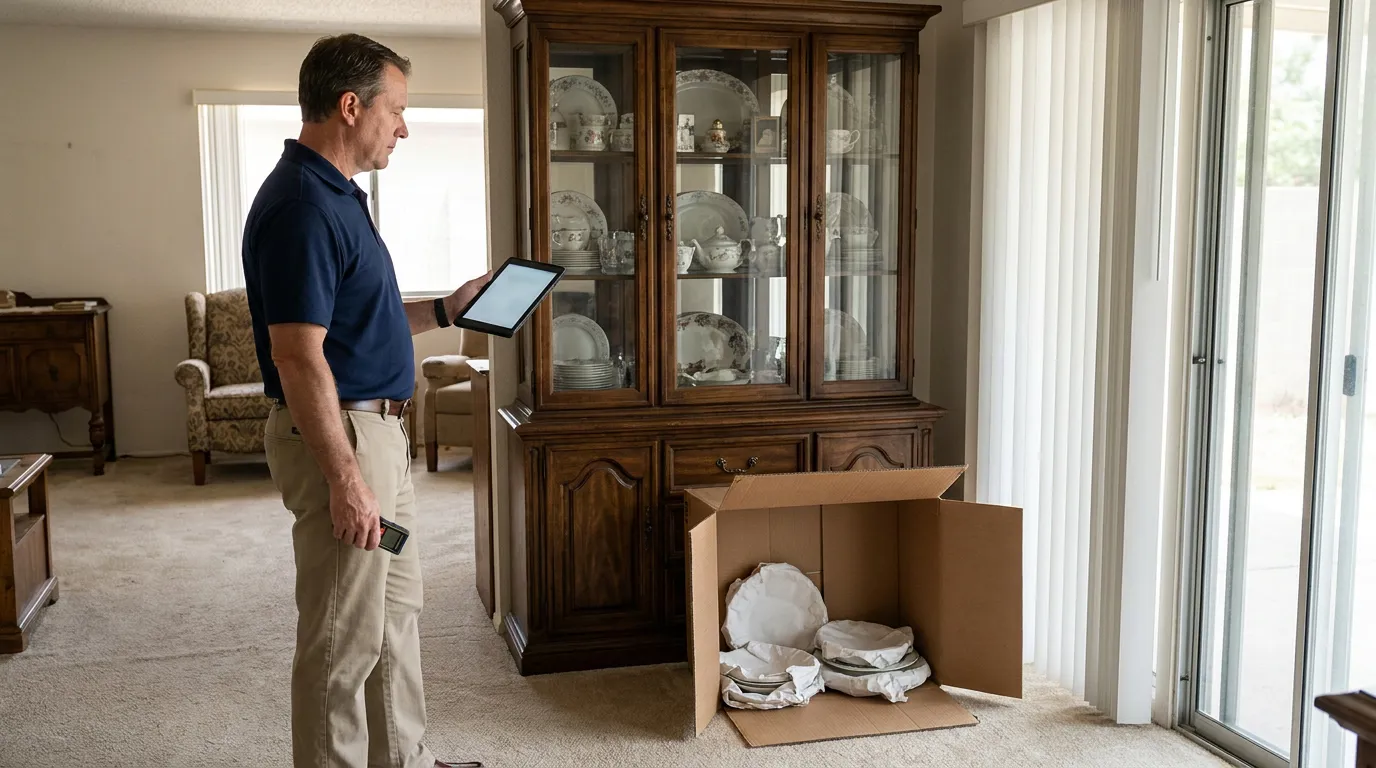
Picture a widowed parent in Chandler who leaves behind a paid-down home, a vehicle, a checking account, and some household belongings. The adult children want to transfer the house, pay the final bills, and split what remains fairly.
The first cost question is whether probate is needed at all. The answer usually turns on the value of the real property, whether debts have been paid, and how other assets are titled. Accounts with payable-on-death beneficiaries and property held in a trust, in joint tenancy with right of survivorship, or under a recorded beneficiary deed generally pass outside probate. The home usually determines which path the family can take.
The Affidavit Route: Arizona’s Biggest Cost Saver
Arizona law gives heirs a way to transfer real property without full probate when the estate is small enough. Under A.R.S. § 14-3971, no sooner than six months after the death, a successor may file an affidavit with the court if the value of all Arizona real property in the estate, less liens and encumbrances, is $300,000 or less as valued at the date of death. A certified copy is then typically recorded with the county recorder. You can review the Arizona small estate affidavit statute directly. For many Chandler families, the home’s equity after the mortgage is the deciding figure.
Conditions You Must Meet Before Filing
The affidavit route is not automatic, and several sworn statements must be true before it can be used. The affidavit must state, among other things, that:
- Funeral expenses, expenses of the last illness, and all unsecured debts of the decedent have been paid
- No federal estate tax is due on the decedent’s estate
- At least six months have passed since the date of death
- The net value of Arizona real property falls within the statutory cap
The affidavit must also state that no application or petition to appoint a personal representative is pending or has been granted in any jurisdiction. A final hospital bill or credit card balance can delay the filing. Signing an affidavit with inaccurate statements can create serious legal exposure, and a person who receives property through the affidavit may remain liable to creditors or others with a superior right to it. Accuracy matters more than speed.
💡 Pro Tip: Get a date-of-death valuation for the home early. The $300,000 threshold is measured at the date of death, less liens, so a current market estimate months later may not reflect the correct figure.
Why the Six-Month Wait Still Has Costs
The waiting period can carry its own expenses. Property taxes, insurance, utilities, and HOA dues on the Chandler home may continue to accrue. Families who plan for these costs are less likely to feel pressure to rush into probate.
When Formal Steps Drive Up Chandler Probate Costs
If the home’s equity exceeds the cap or the affidavit requirements can’t be met, the estate generally must go through probate, and costs often rise with each procedural step. Informal probate is typically faster and less expensive, while formal proceedings involve more court supervision. This guide on informal vs. formal probate explains the differences in Maricopa County.
Closing the Estate Formally
Arizona also provides a formal process for closing an estate, which can add expense. Under A.R.S. § 14-3931, a personal representative or other interested person may petition the court to approve an accounting, determine who is entitled to distribution, direct distribution, and discharge the personal representative. This generally means additional filings, notice, and possibly a hearing. Closing by sworn statement under A.R.S. § 14-3933, where available, generally involves fewer steps and lower costs, but does not give the personal representative the same court-ordered discharge.
A.R.S. § 14-3931 contains no fee schedule. Any realistic estimate must combine it with other sources, including Maricopa County Superior Court filing fees, reasonable compensation, and publication and bond costs.
Formal Testacy Proceedings
Some estates require formal testacy proceedings, such as when a will’s validity must be confirmed by the court or an interested person objects. These proceedings are more complex than informal probate, which typically increases court costs and professional time. A self-proved will usually makes this easier.
Breaking Down the Cost of Probate in Arizona
The main cost categories stay fairly consistent, even though the amounts vary by estate. The table below compares how each applies to the affidavit route versus full probate.
| Cost Category | Affidavit Route (A.R.S. § 14-3971) | Informal or Formal Probate |
|---|---|---|
| Court filing fees | Limited | Required at opening and possibly closing |
| Publication of notice to creditors | Generally does not apply, since no personal representative is appointed | Required once a personal representative is appointed, along with direct notice to known creditors (A.R.S. § 14-3801) |
| Bond | Generally does not apply, since no personal representative is appointed | Required unless an exception applies, such as a will waiver or a waiver by all heirs or devisees (A.R.S. § 14-3603) |
| Personal representative compensation | Not applicable | Reasonable compensation allowed |
| Formal accounting and hearing | Not applicable | Possible, especially in a formal closing under A.R.S. § 14-3931 |
| Pre-filing debt payment | Required before filing | Handled during administration |
The affidavit route is often the most affordable option for qualifying families. Still, an unusually titled asset or an overlooked debt can change the picture.
Personal Representative Compensation: A Key Variable
Arizona does not set a fixed statutory percentage for personal representatives. Under A.R.S. § 14-3719, a personal representative may be entitled to reasonable compensation for services. You can read the personal representative compensation rules in full. What counts as reasonable generally depends on the time, effort, and complexity involved, and interested persons may ask the court to review it.
Family members serving as executor also have options that can reduce costs. If a will sets a compensation amount and there is no contract with the decedent about compensation, the named personal representative may renounce that provision before qualifying and instead receive reasonable compensation. A personal representative may also renounce all or part of the compensation. Many adult children serving for a parent choose to waive their fee so more remains for the beneficiaries, although this is a personal decision.
💡 Pro Tip: Keep a simple log of the hours and tasks you complete as personal representative. Even if you later waive compensation, good records support your duty to account accurately to the beneficiaries.
Why a Local Attorney Makes the Process Easier
Working with a local, licensed estate-planning attorney can help families avoid costly missteps. A misjudged home valuation or an unpaid medical bill could make an affidavit filing improper and potentially push the estate into probate. A local attorney familiar with Maricopa County practice can help you identify the right path from the start. Walk-in Wills works with families in person and fully online, serving Mesa, Gilbert, Queen Creek, and communities across Arizona.
Just as important, you gain someone you can call back when a question comes up two weeks later. When it is time to transfer assets to heirs, a cost of probate in Arizona lawyer can help guide the distribution so beneficiaries receive what they may be lawfully entitled to.
Frequently Asked Questions
1. Can I avoid probate in Arizona if my parent only owned a home?
Possibly, if the home’s value, less liens and encumbrances, was $300,000 or less at the date of death. Under A.R.S. § 14-3971, heirs may use an affidavit after six months if the required debts are paid, no federal estate tax is due, and no personal representative has been appointed or applied for.
2. Does Arizona set a percentage fee for probate?
No, Arizona does not use a fixed statutory percentage. A.R.S. § 14-3719 allows a personal representative reasonable compensation, and total costs depend on filings, notices, bonds, and the estate’s complexity.
3. Do I have to accept the compensation listed in the will?
Generally, no, unless you had a contract with the decedent about compensation. A named personal representative may renounce the will’s compensation provision before qualifying and receive reasonable compensation instead, or may waive compensation in whole or in part.
4. Is a formal court closing always required?
Not always. A.R.S. § 14-3931 provides a formal closing process, but many estates may close by sworn statement under A.R.S. § 14-3933, which typically involves fewer filings and lower costs but does not give a court-ordered discharge.
5. Is the free consultation available for my situation?
Walk-in Wills offers a one-hour free consultation for new estate-planning matters. It does not include review of documents prepared elsewhere or unrelated legal matters.
Planning Ahead Can Protect Your Family’s Inheritance
The cost of probate in Arizona for a typical Chandler family often comes down to one question: does the estate qualify for the affidavit route? If the home’s net value falls within the $300,000 cap and the other statutory conditions are met, heirs may be able to avoid most probate expenses. If not, costs generally grow with formal filings, accountings, and hearings, along with reasonable compensation for the personal representative.
You do not have to figure out the right path on your own. Walk-in Wills offers in-person and fully online guidance for Arizona families, including home and hospital visits and Saturday appointments. Call (480) 470-7000 or schedule your consultation to talk with a local attorney who will still be there after the paperwork is done.
Disclaimer: This content is for informational purposes only and is not legal advice. Every case is unique, and results may vary. Consult an attorney about your specific circumstances.