
How Trust Assets Can Shed Decades of Capital Gains at a Grantor’s Death
Key Takeaways: Yes, assets in a New Mexico revocable trust generally get a step-up in basis when the grantor dies, resetting each asset’s cost basis to its fair market value on the date of death (or the alternate valuation date, if properly elected). The rule comes from federal law, 26 U.S.C. § 1014(b)(2) and (b)(3), which treat property in a trust the grantor could revoke or amend as "acquired from the decedent," whether or not any estate tax is owed. Because New Mexico is a community property state, married couples may get a "double step-up" under § 1014(b)(6) if at least half of the community interest is includible in the decedent’s gross estate. Some things are generally excluded, including IRAs, 401(k)s, and other income in respect of a decedent; appreciated property given to the decedent within one year of death that returns to the donor or the donor’s spouse; and assets in irrevocable trusts not included in the gross estate. New Mexico law controls whether the trust was validly created and what the trustee must do after death, including notifying qualified beneficiaries within sixty days after learning the trust has become irrevocable. Trustees should get date-of-death appraisals quickly and keep clear records.
In many cases, yes. Assets held in a New Mexico revocable trust generally receive a step-up in basis when the grantor dies. Federal law, not New Mexico law, sets this rule. Under 26 U.S.C. § 1014(b)(2), property a grantor placed in a trust while keeping the right to revoke it is treated as "acquired from the decedent." For a successor trustee holding a parent’s appreciated home or stock portfolio, this can often eliminate much of the capital gains tax that would otherwise come due on a sale. There are important exceptions, though, and the trustee’s records matter a great deal.
If you have recently become a successor trustee, or you are a grantor wondering how your plan will treat your children, Walk-in Wills can walk you through it in a plain-English conversation. Call (505) 903-7000 or schedule your consultation today to talk with a local, licensed New Mexico attorney.
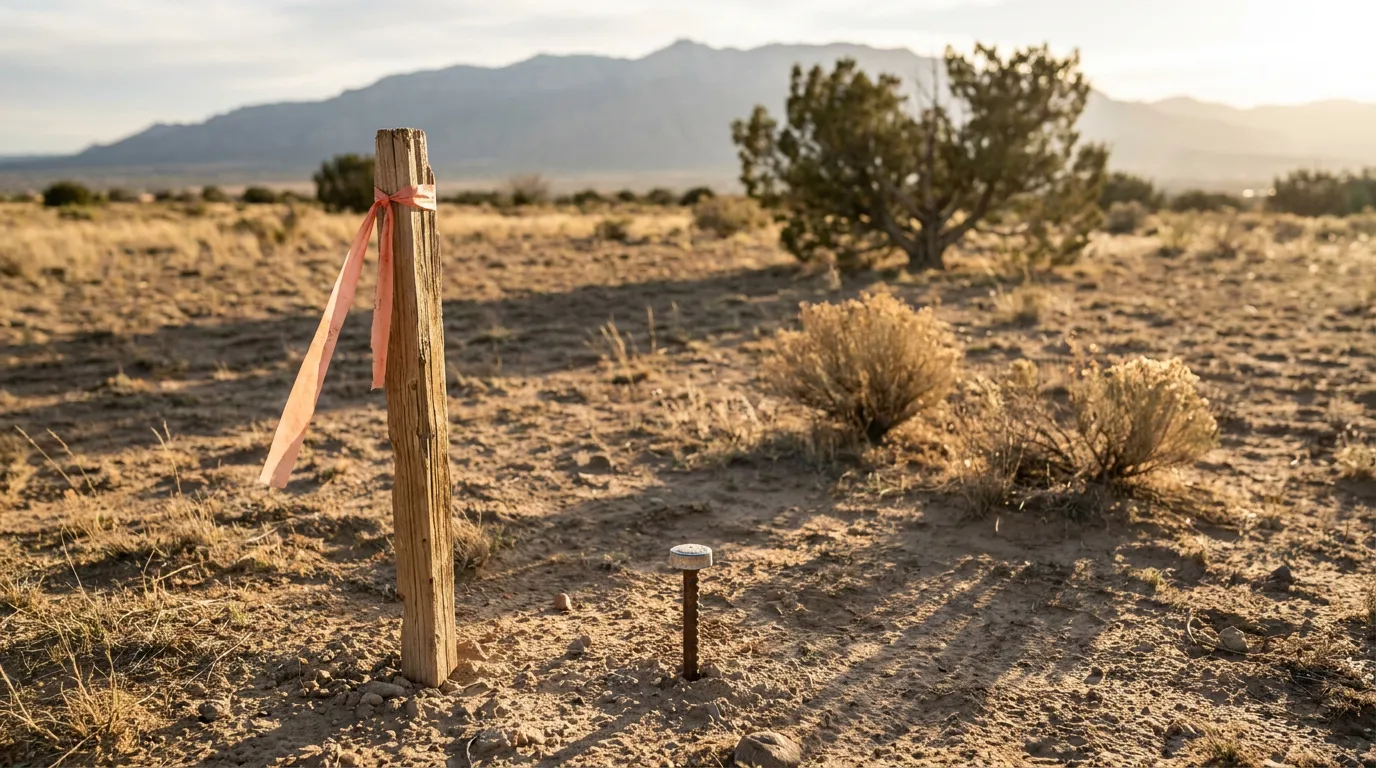
One Common Scenario: A Successor Trustee and a Parent’s Albuquerque Home
Picture an adult daughter named as successor trustee of her mother’s revocable living trust. Her mother bought the family home in 1985 for $90,000, and it is now worth around $450,000. The trust also holds a brokerage account of stock bought decades ago.
The answer largely comes down to basis. Basis is generally what the owner paid for an asset, adjusted for things like capital improvements and depreciation. Without a step-up, selling the house could create roughly $360,000 of gain. With a step-up, the new basis is generally the home’s value on the date of death, so a prompt sale near that value may produce little or no taxable gain.
What IRC 1014 Actually Says About Inherited Assets
The general rule is found in 26 U.S.C. § 1014(a)(1). The basis of property acquired from a decedent is "the fair market value of the property at the date of the decedent’s death." Under 26 U.S.C. § 1014(a)(2) and § 2032, the executor may instead elect an alternate valuation date, but only when an estate tax return is required and the election lowers both the gross estate value and the estate tax owed. The rule works both ways: assets that lost value may get a step-down.
This rule is an exception to the normal cost-basis framework. Ordinarily, the federal basis of property rules tie basis to what the owner paid. Section 1014 generally replaces that history with a fresh starting point for inherited assets.
Why Revocable Trusts Qualify
Congress expressly covered revocable trusts. Under 26 U.S.C. § 1014(b)(2), the step-up covers property the decedent transferred in trust "with the right reserved to the decedent at all times before his death to revoke the trust." 26 U.S.C. § 1014(b)(3) reaches trusts where the grantor kept the power "to alter, amend, or terminate the trust." What generally matters is how much control the grantor kept, not what the document is called.
The Gross Estate Catch-All
There is also a broader backstop in 26 U.S.C. § 1014(b)(9). It covers property acquired from the decedent that must be included in the gross estate. Assets a grantor controlled through a revocable trust are typically included under 26 U.S.C. § 2038, even when no estate tax is owed. You can review the full text of IRC Section 1014 to see how these categories fit together.
New Mexico Law That Shapes the Step-Up in Basis Revocable Trust Analysis
New Mexico law does not grant the step-up, but it sets the ground rules that make the federal rule work. The Uniform Trust Code, as adopted in New Mexico, controls whether the trust was validly created, what happens to trust property after the settlor’s death, and what the trustee must do next.
Settlor Capacity
A trust can only work as intended if it was validly created. Under NMSA 1978, § 46A-6-601, a settlor needs the same capacity to create, amend, or revoke a revocable trust that is required to make a will. That is one reason a carefully witnessed, in-office signing matters.
When the Trust Becomes Irrevocable
The grantor’s death is generally the trigger point. A trust that was revocable during the settlor’s life generally becomes irrevocable at death. Under NMSA 1978, § 46A-6-604, "upon the death of the settlor of a trust that was revocable at the settlor’s death, the trustee may proceed to distribute the trust property in accordance with the terms of the trust." The trustee may still face liability in some cases, such as when the trustee knows of a pending contest to the trust’s validity.
Trustee Notice and Valuation Duties
New Mexico trustees generally have a reporting duty after a grantor’s death. Under NMSA 1978, § 46A-8-813, within sixty days of learning that a formerly revocable trust has become irrevocable, the trustee generally must notify qualified beneficiaries of the trust’s existence, the settlor’s identity, their right to request a copy of the trust instrument, and their right to a trustee’s report. Date-of-death appraisals can serve both this duty and the tax records.
💡 Pro Tip: Order a qualified date-of-death appraisal for real estate soon after the death, even if you do not plan to sell right away. A value recorded years later is much harder to support.
The Community Property "Double Step-Up" for New Mexico Couples
New Mexico is a community property state, and that can be a major advantage for married grantors. Under 26 U.S.C. § 1014(b)(6), the surviving spouse’s one-half share of community property can also receive a step-up, as long as at least half of the whole community interest was includible in the decedent’s gross estate. In practice, both halves of a community asset may be reset to full fair market value at the first spouse’s death.
Whether an asset is truly community property depends on the facts. How and when the asset was acquired, how it was titled, and whether the spouses signed any agreements can all matter.
| Asset Type | Typical Basis Result at First Death |
|---|---|
| Decedent’s separate property in revocable trust | Generally stepped up to date-of-death value |
| Community property in revocable trust | Both halves may be stepped up under § 1014(b)(6) |
| Surviving spouse’s separate property | Generally no step-up |
| Income in respect of a decedent (e.g., IRAs) | Generally no step-up under § 1014(c) |
Exceptions That Can Limit a Step-Up
The step-up is powerful, but it does not reach everything. Keep these federal limits in mind:
- Income in respect of a decedent: Under 26 U.S.C. § 1014(c), items such as traditional IRA and 401(k) balances, unpaid wages, and certain deferred income generally receive no step-up.
- The one-year gift-back rule: Under 26 U.S.C. § 1014(e), appreciated property given to a decedent within one year of death that passes back to the original donor or the donor’s spouse generally does not get a stepped-up basis.
- Irrevocable trusts outside the gross estate: Assets in irrevocable trusts not included in the gross estate generally do not qualify. Under Rev. Rul. 2023-2, this is true even if the trust is a "grantor trust" for income tax purposes.
- Assets never titled to the trust: Property left outside the trust may still get a step-up through other routes, but it may have to go through probate first.
Real estate has one more New Mexico option. The Uniform Real Property Transfer on Death Act, including the definitions in NMSA 1978, § 45-6-402, lets a "transferor" pass New Mexico real property at death with a transfer on death deed. Because that property is generally included in the gross estate, it also generally receives a basis adjustment.
Practical Steps for Successor Trustees After a Grantor’s Death
A trustee’s job is to document, not guess. Working with a step-up in basis revocable trust lawyer can help you line up appraisals, beneficiary notices, and title transfers so each step follows the trust’s terms and New Mexico law. If a federal estate tax return is required, consistent-basis reporting rules (26 U.S.C. § 1014(f) and § 6035) may also require filing Form 8971 and giving statements to beneficiaries.
Common challenges usually involve missing paperwork. Brokerage statements may not show date-of-death values, real estate may have been improved without receipts, and some assets may never have been retitled into the trust. Each is easier to fix early than after a sale.
💡 Pro Tip: Give each beneficiary written notice of the date-of-death value for any asset they receive. Clear records now can help prevent confusion when they sell years later.
Frequently Asked Questions
1. Does a revocable trust get a step-up in basis at the grantor’s death?
Generally, yes. Under 26 U.S.C. § 1014(b)(2) and (b)(3), property in a trust the grantor could revoke or amend is treated as acquired from the decedent. Exceptions apply to items like retirement accounts.
2. Do I have to pay estate tax to get the step-up?
Generally, no. The step-up depends on the property being acquired from the decedent or includible in the gross estate, not on whether any estate tax is actually due.
3. How does a step-up in basis revocable trust work for married couples in New Mexico?
Because New Mexico is a community property state, 26 U.S.C. § 1014(b)(6) may allow both halves of community assets to be stepped up at the first spouse’s death, provided at least half of the community interest is includible in the decedent’s gross estate.
4. What if an asset lost value?
The same rule generally applies in reverse. Under 26 U.S.C. § 1014(a)(1), basis generally resets to fair market value at death, which can mean a step-down.
5. How soon must a New Mexico trustee notify beneficiaries?
Under NMSA 1978, § 46A-8-813, generally within sixty days after the trustee learns the trust has become irrevocable.
Protecting the Step-Up Starts With a Well-Built Plan
For most New Mexico families, a revocable trust can generally preserve the benefit of the federal step-up in basis at the grantor’s death. Proper funding, clear community property records, prompt appraisals, and timely beneficiary notice all shape how smoothly the step-up works. You can read our other guides or consult a lawyer on our team about your situation.
If you are building a new trust or stepping into the trustee role, Walk-in Wills offers an unhurried, face-to-face conversation, along with on-site notaries and witnesses to help ensure your documents are signed correctly the first time. New estate-planning clients can take advantage of a one-hour free consultation. Call (505) 903-7000 or book your appointment now.
Disclaimer: This content is for informational purposes only and is not legal advice. Every case is unique, and results may vary. Consult an attorney about your specific circumstances.