
A Married Person’s Right to Choose Who Inherits in New Mexico
Key Takeaways: Yes, a married person in New Mexico can generally leave their half of community property to someone other than their spouse, such as children from a prior marriage, because NMSA 45-2-807(A) and 40-3-10 let each spouse leave their own half by will. The surviving spouse generally keeps their own half, and you can generally leave separate property by will too. Community property held as joint tenancy is an exception. It generally passes to the surviving joint tenant no matter what the will says. Assets with a named beneficiary may also pass outside the will. If you die without a will, your half of the community property generally goes to your surviving spouse, not your children. Community debts, separate debts, family allowances, creditor claims, and estate costs generally come before what your heirs receive. A properly signed will, a review of deeds and beneficiary forms, and sometimes a trust can help make sure your share reaches the people you choose.
Yes, you can generally leave your half of community property to someone other than your spouse in New Mexico. Under NMSA 1978, Section 45-2-807(A), when either spouse dies, one-half of the community property belongs to the surviving spouse, and the deceased spouse’s will controls the other half. That generally means a parent may leave their half to children from a prior marriage, to adult kids, or to anyone else. There are key limits, though. How your property is titled, what debts you owe, and whether you have a valid will can all change what your children actually receive.
This post focuses on one common case: a married Albuquerque parent who wants their share of community property to go to their children instead of their spouse. If that sounds like your family, the team at Walk-in Wills can help you build a plan that reflects your wishes. Call (505) 903-7000 or schedule your free consultation for a new estate-planning matter today.
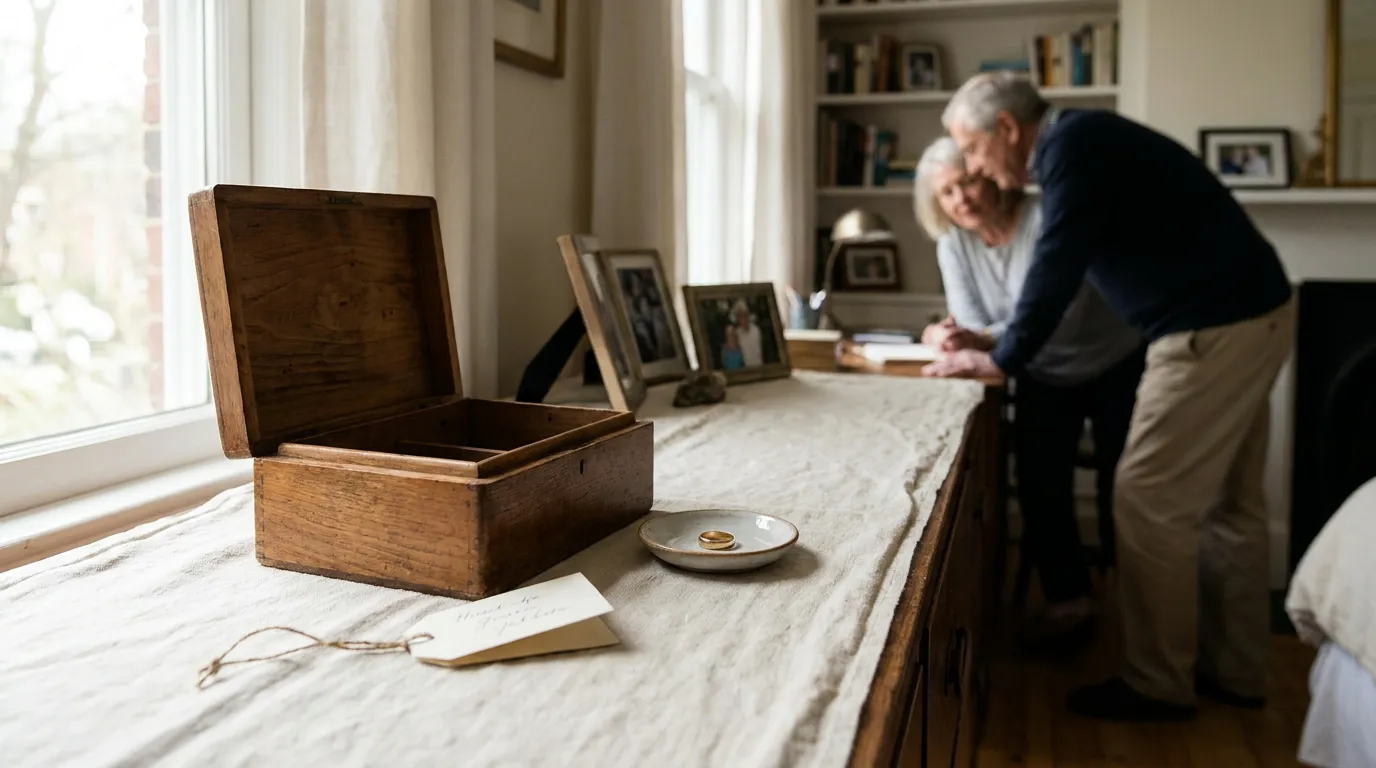
What New Mexico Community Property at Death Means for Your Family
At death, New Mexico generally splits community property into two halves, and typically only one is yours to give away. New Mexico is a community property state, so each spouse generally owns an undivided one-half interest in property acquired during the marriage. When you die, your spouse generally keeps their half. Your half can generally pass under your will.
State law spells out this right. NMSA 1978, Section 45-2-807(A) provides that nothing stops either husband or wife from leaving their half interest in community property by will. Section 40-3-10, by contrast, sets out the priorities for satisfying a spouse’s separate debts from separate property, community property, and the marital residence. If your valid will sends your half elsewhere, that half generally does not go to your spouse, unless you hold it as joint tenancy or it passes outside the will in some other way.
Community Property vs. Separate Property
Before you can plan, you need to know which assets are community and which are separate. Under NMSA 40-3-8, separate property includes property acquired before marriage, property acquired after marriage by gift, bequest, devise, or descent, and property the spouses name as separate in a written agreement, among other types. Section 40-3-8(B) provides that property acquired during marriage that is not separate property is community property. NMSA 40-3-12 also presumes that property acquired during marriage is community property.
Sorting assets can get complex fast. A house bought before marriage but paid down with marital income, or an inheritance put into a joint account, may raise questions about what portion is community. For a broader overview, see our guide on how community property affects wills. An attorney can review your assets and help you understand where each one likely falls.
| Property Type | Can You Leave It to Children by Will? |
|---|---|
| Your separate property | Generally yes, subject to allowances, creditors, and estate administration |
| Your half of community property | Generally yes, under NMSA 45-2-807(A), subject to debts, allowances, and estate administration |
| Your spouse’s half of community property | Generally no, it belongs to the surviving spouse |
| Community property held as joint tenancy under NMSA 40-3-8(B) | Generally no, your will does not control it |
The Joint Tenancy Exception That Surprises Many Couples
You generally cannot leave community property titled as joint tenancy by will. NMSA 1978, Section 45-2-807(A) states that community property that is joint tenancy property under Subsection B of Section 40-3-8 is not subject to the decedent’s will. If you and your spouse hold your home or bank account as joint tenants, it generally passes to your spouse as the surviving joint tenant, and your will cannot send your half of that asset to your children.
This is one of the most common gaps in married couples’ estate plans. A parent may sign a will leaving everything to their kids, while the family’s largest asset still goes to the surviving spouse because of how the deed reads. Reviewing deeds, account titles, and beneficiary forms is key.
💡 Pro Tip: Get a copy of your home’s recorded deed before your consultation. The wording that shows how you hold title often tells your attorney more about where the house will go than your will does.
What Happens If You Die Without a Will
If a married person in New Mexico dies without a will, their half of the community property generally goes to the surviving spouse, not the children. Under NMSA 1978, Section 45-2-102(B), the half of community property the decedent could have left by will passes to the surviving spouse. That rule generally applies even if you have children from a past relationship. If you have children, your spouse generally receives one-quarter of your separate property and your children share the rest.
A will is the main tool for changing that outcome. NMSA 1978, Section 45-3-101(B) provides that a person’s separate property and share of community property pass to those named in their last will, or to their heirs if there is no will. If you want your children to inherit your half, you generally need a valid, properly signed will or another estate planning tool that does the same thing.
Why Proper Signing Matters
A will generally only works if you sign it correctly. New Mexico generally requires a will to be in writing, signed by you, and signed by two witnesses. A notarized self-proving affidavit can make probate easier. A mistake can invite challenges. At Walk-in Wills, we provide on-site notaries and witnesses, so you can sign your documents properly in one visit.
Debts and Allowances Come Before Your Children
Your children generally inherit only after certain debts and costs are paid. Under NMSA 1978, Section 45-2-807(B), when either spouse dies, the entire community property can be used to pay community debts. Large marital debt can shrink what is left for your heirs.
Separate debts follow a set order. The same statute provides that the deceased spouse’s separate debts, funeral costs, and estate costs are paid first from separate property, not counting joint tenancy property. If that is not enough, the deceased spouse’s undivided one-half interest in community property can be used, not counting community property held as joint tenancy.
Other rights also come first. NMSA 1978, Section 45-3-101(C) makes the passing of your separate property and your share of community property subject to:
- The family allowance and the personal property allowance
- The rights of creditors
- Estate administration under Chapter 45, Article 3
Your spouse’s half is also tied up in the estate for a time. Section 45-3-101(C) provides that the surviving spouse’s share of community property is subject to estate administration until the deadline for filing claims passes, and after that only as needed to pay community claims.
What Courts and Scholars Have Noted
Legal experts have long studied New Mexico’s community property system. A New Mexico Law Review article looks at the rules that govern spouses’ property rights and what each spouse can leave by will. Results depend heavily on the facts, so tailored advice matters.
Building a Married Couple’s Estate Plan That Protects Your Children
The right plan depends on your family, your assets, and your goals. Some parents leave their half outright to their children. Others use a trust to provide for a surviving spouse during their lifetime while saving assets for the children afterward.
Talking openly with your spouse can reduce surprises. Your spouse generally keeps their own half and their own right to make a will. Plans you make together can lower the risk of disputes later. Working with a local New Mexico wills lawyer gives you an attorney who stays available for questions after signing.
💡 Pro Tip: Life insurance and retirement accounts usually pass to the beneficiary you named, not by your will. Bring recent statements so your attorney can confirm those beneficiary forms match your plan.
What to Expect When You Work With Walk-in Wills
We make the process relaxed and convenient. We offer clear flat-fee estate planning, documents usually ready in about one week, and home and hospital visits when needed. Saturday appointments are available by request, and we can meet in person or fully online.
Frequently Asked Questions
-
Can my spouse stop me from leaving my half to my children?
Generally, no. NMSA 45-2-807(A) confirms each spouse’s right to leave their half interest by will, although allowances, creditors, debts, and joint tenancy rules may affect what passes.
-
Does my will control our jointly titled house?
Generally not if it is community property held as joint tenancy under NMSA 40-3-8(B). Under NMSA 45-2-807(A), your will does not control that property, and it generally passes to the surviving joint tenant.
-
What if I never make a will?
Under NMSA 45-2-102(B), your half of community property generally passes to your surviving spouse, not your children. Your separate property may be split between your spouse and your children.
-
Can debts reduce what my children inherit?
Yes. Under NMSA 45-2-807(B), the entire community property can be used to pay community debts, and your half of the community property can also be used for your separate debts if your separate property is not enough.
-
Is an inheritance I received during marriage community property?
Generally, property you receive by inheritance or through someone’s will is separate property under NMSA 40-3-8(A), though mixing it with marital funds may complicate things.
Taking the Next Step Toward Your Wishes
You generally can leave your half of community property to your children in New Mexico, but usually only with a careful plan. Title, debts, allowances, and not having a will can all send assets away from the people you want to benefit.
The team at Walk-in Wills is ready to help you create a plan built around your wishes. We offer a free one-hour consultation for new estate-planning matters with our Albuquerque estate planning attorney team. Call (505) 903-7000 or contact us now to get started.
Disclaimer: This content is for informational purposes only and is not legal advice. Every case is unique, and results may vary. Consult an attorney about your specific circumstances.