
A Self-Proved Will Can Still Be Challenged in New Mexico
Key Takeaways: Yes, you can still contest a will in New Mexico even if it has a self-proving affidavit, but the affidavit changes which arguments are realistic. Under NMSA 1978, § 45-3-406, the signature requirements are conclusively presumed and the other execution requirements are presumed but can be rebutted. Proof of fraud or forgery affecting the acknowledgment or affidavit can defeat these presumptions. Substantive grounds such as lack of capacity, undue influence, fraud, duress, mistake, and revocation generally remain available under NMSA 1978, § 45-3-407, and the contestant bears the burden of proving them. Formal testacy proceedings, including contests, generally must begin within three years of death. If a will was informally probated, the deadline is the later of twelve months from informal probate or three years from death. Because formal testacy orders are generally final, heirs with concerns should get clear information from a local attorney early.
Yes. You can still contest a will in New Mexico even if it has a self-proving affidavit. The affidavit does not stop a contest, but it changes what you can realistically argue and what evidence you may need. Under NMSA 1978, § 45-3-406, a self-proved will receives a conclusive presumption that the signature requirements were met, along with a rebuttable presumption that the other execution requirements were satisfied. Neither presumption applies if there is proof of fraud or forgery affecting the acknowledgment or affidavit. Substantive challenges such as undue influence, lack of testamentary capacity, fraud, duress, mistake, and revocation generally remain available under NMSA 1978, § 45-3-407. If you are an heir or beneficiary with concerns, the key questions are which grounds fit your facts and whether you are still within the filing deadline.
If you have questions about a loved one’s will, a local attorney can help you understand where you stand. At Walk-in Wills, we believe in plain-English conversations with a licensed New Mexico attorney you can meet face to face and call back later. Call us at (505) 903-7000 or contact us now to start the conversation.
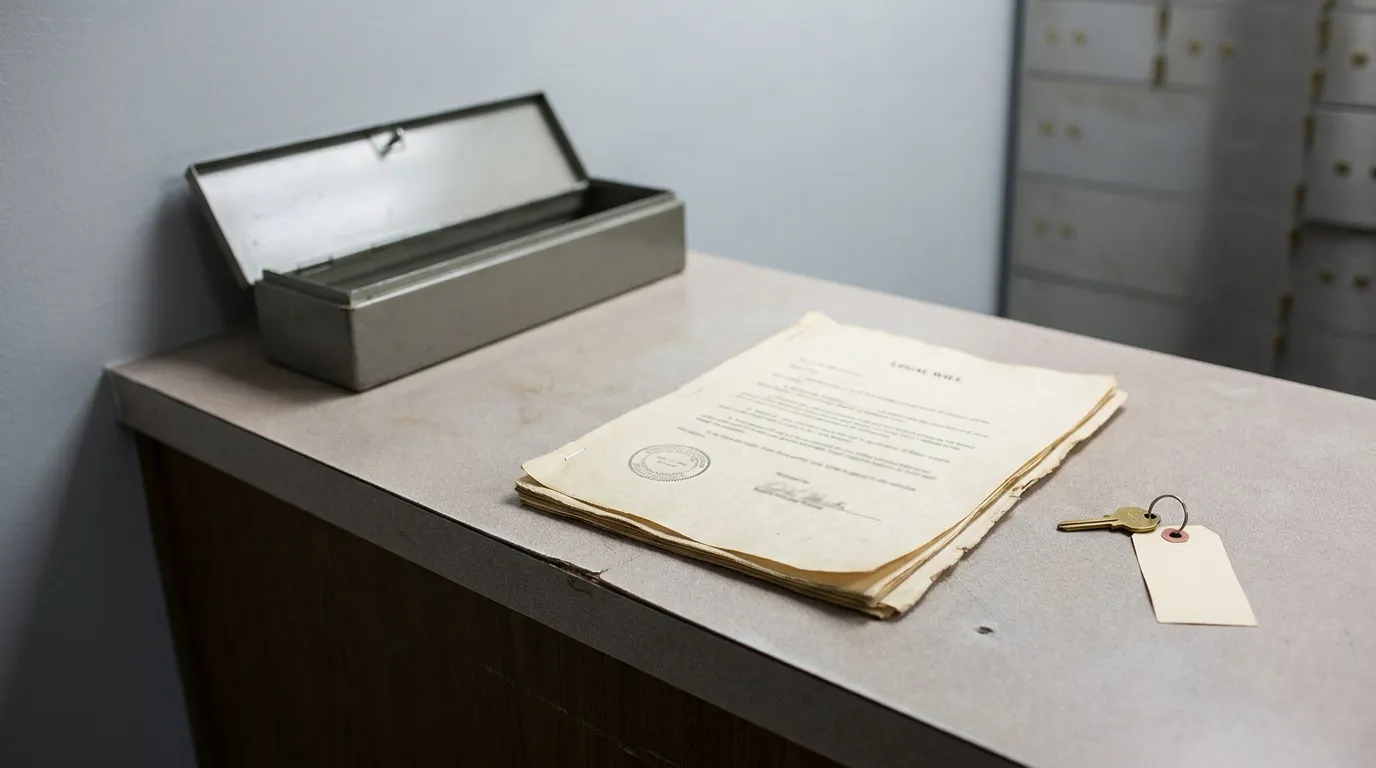
What a Self-Proving Affidavit Actually Does
A self-proving affidavit is a sworn statement signed by the person making the will and the witnesses before a notary or other officer authorized to administer oaths. It is usually attached to the will and confirms that the will was signed and witnessed correctly. For background, our guide explains what a self-proving will is and why many New Mexico estate plans include one.
The affidavit can also help prove the will was executed properly. Under NMSA 1978, § 45-2-504(C), a signature on a self-proving affidavit attached to a will is treated as a signature on the will itself if needed to prove due execution. It does not, however, protect the will from every kind of challenge.
The Practical Advantage: No Witnesses Required
The biggest practical effect is that the will can generally be admitted without testimony from the attesting witnesses. Under NMSA 1978, § 45-3-406, if the will is self-proved, the presumptions apply without witness testimony unless there is evidence of fraud or forgery affecting the acknowledgment or affidavit. This can make probate faster and removes the need to find witnesses who may have moved or died.
Compare that with a will that is not self-proved. In a contested case, the same statute generally requires testimony from at least one attesting witness if that witness is in New Mexico, competent, and able to testify. If none is available, due execution may be proved by other evidence.
How the Self-Proving Affidavit New Mexico Rules Shape a Will Challenge
The self-proving affidavit New Mexico framework creates two separate levels of protection. Compliance with the signature requirements is conclusively presumed. Unless fraud or forgery affecting the affidavit is shown, a contestant generally cannot argue that the will was not properly signed. Other execution requirements, such as witnessing formalities, are presumed only subject to rebuttal, so a contestant can present evidence against them. You can read the full text of NMSA § 45-3-406 on Justia.
One important exception can defeat these presumptions. They do not apply if there is proof of fraud or forgery affecting the acknowledgment or affidavit itself. For example, a court may decline to apply them if evidence suggests the notary was never present for the signing, or that a witness’s signature was forged. Even then, the will is not automatically invalid, and its proponent can still try to prove due execution with other evidence.
Uncontested Cases Follow the Same Rule
Similar presumptions apply when no one contests the will. In uncontested formal proceedings, NMSA 1978, § 45-3-405 generally lets the court rely on the self-proving affidavit to find due execution without further testimony, unless fraud or forgery affecting the affidavit is shown.
| Issue | Self-Proved Will | Will Without Affidavit |
|---|---|---|
| Signature requirements | Conclusively presumed | Must be proven |
| Other execution formalities | Presumed, subject to rebuttal | Must be proven |
| Attesting witness testimony in a contest | Generally not required | At least one required if available in NM |
| Fraud or forgery in the affidavit | May overcome the presumptions | Not applicable |
| Undue influence, capacity, fraud claims | Generally still available | Generally still available |
Grounds That Remain Open Despite the Affidavit
A self-proving affidavit addresses how the will was signed, not whether the person signing it acted freely and with understanding. Under NMSA 1978, § 45-3-407, the will’s proponent must make a prima facie showing of due execution, while contestants bear the burden of proving these substantive grounds:
- Lack of testamentary intent or capacity
- Undue influence
- Fraud
- Duress
- Mistake
- Revocation
Because the contestant carries the burden, evidence matters. Relevant evidence often includes medical records from around the time the will was signed, communications showing isolation or pressure, and testimony from people who knew the person well. In some circumstances, such as a confidential relationship combined with suspicious circumstances, New Mexico courts may presume undue influence and shift the burden of producing evidence to the beneficiary.
Why Undue Influence Claims Are Fact-Intensive
Undue influence claims often turn on relationships and timing rather than paperwork. A caregiver or new beneficiary who helped arrange the will, a sudden change that cut out long-standing heirs, or a person in declining health can all be relevant. None of these automatically proves a claim, and courts weigh the evidence as a whole.
💡 Pro Tip: Write down a timeline of what you remember about the person’s health, living situation, and relationships in the months before the will was signed. An early, honest record can help an attorney assess your situation.
Deadlines for a New Mexico Will Contest
Timing can decide whether a contest goes forward at all. Under NMSA 1978, § 45-3-108(A), formal testacy proceedings generally cannot begin more than three years after the decedent’s death, subject to specified exceptions. Contests are brought through formal testacy proceedings under NMSA 1978, § 45-3-401.
A special rule applies when a will has already been informally probated. NMSA 1978, § 45-3-108(A)(3) allows a proceeding to contest an informally probated will within the later of twelve months from the informal probate or three years from the death. Exceptions are generally interpreted narrowly, so do not assume any extension applies to you. The broader framework appears in New Mexico Probate Code Article 3.
Finality of Formal Orders
Once a court enters a formal testacy order, it is generally final and binding on interested persons who received proper notice. Under NMSA 1978, § 45-3-412, such an order can be vacated or modified only on limited grounds, such as the discovery of a later will, or challenged through a timely appeal.
Why a Local Attorney Relationship Matters
Questions about a family member’s will are personal, and they deserve an unhurried conversation. A local, licensed New Mexico attorney can explain the law in plain English, and you can reach that person again when a new question comes up. You can also learn more about how will contests work on our website.
Many families come to us after a difficult experience because they want their own plans done correctly the first time. Walk-in Wills offers proper in-office execution with on-site notaries and witnesses, so a self-proving affidavit can be completed as part of the signing. For new estate-planning matters, we offer a one-hour free consultation, and home and hospital visits may be available when getting to the office is difficult.
Frequently Asked Questions
1. Does a self-proving affidavit make a will impossible to contest in New Mexico?
No. NMSA 1978, § 45-3-406 specifically addresses contested cases involving self-proved wills. The affidavit strengthens proof of execution but generally does not prevent challenges based on capacity, undue influence, fraud, duress, mistake, or revocation.
2. Can I argue the will was not signed correctly if it is self-proved?
Generally, no. Compliance with the signature requirements is conclusively presumed, unless there is proof of fraud or forgery affecting the acknowledgment or affidavit itself. Other execution formalities are presumed but can be rebutted with evidence.
3. Who has the burden of proof in a contest over a self-proved will?
Under NMSA 1978, § 45-3-407, the proponent must make a prima facie showing of due execution, which the affidavit generally satisfies. The contestant bears the burden of proving grounds such as undue influence or lack of capacity.
4. How long do I have to contest a will in New Mexico?
Generally, three years from the date of death under NMSA 1978, § 45-3-108(A). If the will was informally probated, a contest may be filed within the later of twelve months from the informal probate or three years from death. Exceptions are applied narrowly, and a formal testacy order may cut off later challenges sooner.
5. Do witnesses have to testify if a will is self-proved?
In most cases, no. The will can generally be admitted based on the filed will and the attached affidavits. Testimony may still matter if there is evidence of fraud or forgery affecting the affidavit, or if a contestant tries to rebut the presumption of proper execution.
Understanding Your Options
A self-proving affidavit gives a New Mexico will a strong evidentiary advantage, but it does not end the conversation. Signature issues are generally settled, other execution formalities can be rebutted, and fraud or forgery affecting the affidavit can defeat the presumptions. Substantive grounds such as undue influence and lack of capacity generally remain available, subject to strict deadlines and the contestant’s burden of proof.
When you want clear answers from someone in your community, we are here to talk. Reach out to Walk-in Wills by calling (505) 903-7000, or schedule your conversation today with a local, licensed attorney who will still be available after your documents are signed.
Disclaimer: This content is for informational purposes only and is not legal advice. Every case is unique, and results may vary. Consult an attorney about your specific circumstances.