
Why Funding Is the Step That Makes Your Living Trust Actually Work
Key Takeaways: Funding a living trust in Santa Fe means re-titling your assets into the trust’s name, without this step, the trust cannot control how your property passes at death. New Mexico’s Uniform Trust Code governs this process, with mechanics varying by asset type: real estate requires a new recorded deed naming the trustee, while financial accounts require re-registration or a certification of trust. An unfunded trust exposes your estate to probate, since any asset still owned directly by you at death is subject to probate regardless of the trust. A pour-over will serves as a backup for overlooked assets, but those assets may still pass through probate first. There is no minimum estate size needed to justify a trust, and working with a local trust attorney ensures each transfer is completed accurately and documented, keeping your assets private and out of probate.
Funding a living trust in Santa Fe means formally transferring property title into the trust’s name, and without that step the document you signed will not control how your assets pass at death. A trust is only a set of instructions until it actually owns something. If you don’t transfer property into the trust, the terms won’t apply to that property. That single oversight is the most common reason a carefully drafted plan fails the family it was meant to protect.
If you want this done correctly the first time, the team at Walk-in Wills offers an unhurried, plain-English consultation, with same-day and mobile options when you need them. You can call (505) 903-7000 to schedule, or reach out through the firm’s client contact page to start the conversation.
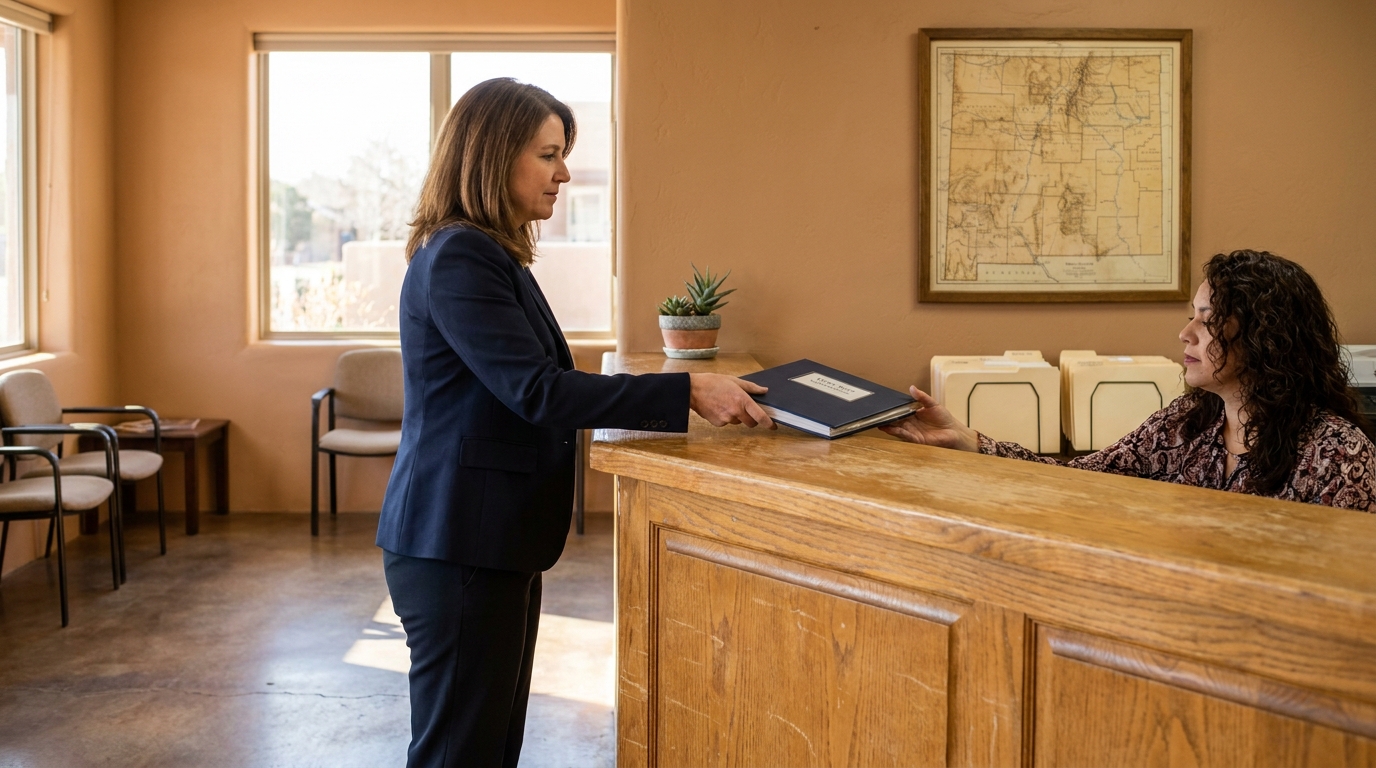
What "Funding" a Trust Means Under New Mexico Law
Funding is the legal act of re-titling assets so the trustee, rather than you individually, holds them. New Mexico governs this process through its version of the Uniform Trust Code, codified at NMSA 1978, §§ 46A-1-101 through 46A-11-1104, which sets the default rules under which a Santa Fe living trust operates. The framework was examined in the New Mexico Law Review by David M. English in 2004.
The mechanics of funding vary depending on the asset. For certain personal property, the transfer can be straightforward, but real estate and financial accounts require precise paperwork. To make the trust enforceable, all property to be distributed under its terms must be transferred into the trustee’s name using a deed or other standard transfer document.
💡 Pro Tip: Keep a written inventory of every asset you intend to move, along with the date each transfer was completed. This funding checklist becomes invaluable if a question about title comes up years later.
The Difference Between Real Estate and Financial Accounts
Real estate transfers generally require a new, properly executed and recorded deed naming the trustee. A trust real estate transfer in Santa Fe usually involves preparing a deed, signing it before a notary, and recording it with the county clerk. New Mexico State University’s cooperative extension service offers a helpful overview of estate planning fundamentals for residents weighing their options. Recording the deed correctly matters because an unrecorded or defective transfer can leave the property outside the trust.
Financial accounts follow a separate path that depends on the institution. Banks and brokerages typically require their own forms, re-registration of the account, and sometimes a certification of trust. Because each custodian has its own rules, this is an area where small errors quietly accumulate.
What Happens When a Trust Goes Unfunded
An unfunded or partially funded trust exposes your estate to the very probate process you tried to avoid. Property must be transferred to a living trust before your death to avoid probate. Any property still owned directly by you when you die, other than assets that pass by beneficiary designation, joint ownership, or similar non-probate transfer, is subject to probate, regardless of the trust.
Probate exposure in New Mexico is not merely theoretical. When the gross probate estate is $50,000 or less, New Mexico allows successors to use an affidavit to collect personal property without opening probate, but real property generally requires a court proceeding. An estate whose personal property exceeds $50,000, or that includes real estate held in your name alone, generally must pass through probate, whether or not you left a will.
A pour-over will serves as that backup. It is not a substitute for funding, but a safety net for anything missed. A pour-over will provides that any property owned directly by you at death is to be poured over and distributed under the trust’s terms. Even a pour-over will may still route omitted assets through probate before they reach the trust, so it is a fallback rather than a fix.
💡 Pro Tip: Review your trust funding after any major life event, such as buying property, opening a new account, or refinancing. New assets do not transfer themselves into a trust automatically.
Working With a Trust Attorney in Santa Fe for Proper Funding
A local, licensed estate-planning attorney guides you through each transfer so the trust controls what it should. Funding touches deeds, beneficiary designations, and account registrations, and the order and accuracy of those steps matter. Many people choose a living trust because it offers a fast, private, probate-free way to transfer property after death. That advantage only materializes when the funding is handled with care.
There is no wealth requirement to justify setting up a trust. Whether your estate is modest or substantial, the funding process follows the same disciplined approach. For trustees who later step into an administration role, understanding the upfront funding work makes the duties of loyalty, accurate accounting, and proper title management far easier to demonstrate. You can learn more about the firm’s approach to trust funding New Mexico families rely on and what comes after the documents are signed.
The value of in-person guidance is accountability you can return to. A real relationship with someone in the community means you have a professional to call back when a question surfaces later. Walk-in Wills serves clients across Santa Fe with face-to-face guidance, on-site notaries and witnesses, and same-day or mobile visits when circumstances call for it.
A Quick Comparison of Funding Responsibilities
Different assets call for different documents, and the table below summarizes the typical approach.
| Asset Type | Common Funding Method | Where Errors Often Occur |
|---|---|---|
| Real estate | New recorded deed naming the trustee | Failure to record or defective legal description |
| Bank/brokerage accounts | Re-registration or certification of trust | Using outdated institution forms |
| Vehicles and titled property | Title reassignment | Overlooking smaller titled assets |
| Personal property | Assignment document | No written assignment created |
💡 Pro Tip: Beneficiary-designated assets, such as certain retirement accounts, often pass outside a trust by contract. Confirm how each designation interacts with your plan before assuming the trust controls it.
Common Challenges Grantors and Trustees Run Into
Most funding problems trace back to incomplete paperwork rather than bad intentions. A handful of recurring issues deserve attention:
- Assets acquired after the trust was signed and never transferred in
- Deeds prepared but never recorded with the county clerk
- Financial accounts re-titled at one bank but overlooked at another
- Beneficiary designations that conflict with the trust’s instructions
- No written assignment for tangible personal property
Acknowledging the work involved is part of an honest conversation. Funding is detail-driven, and the law leaves little room for approximation. Resources such as the academic discussion of New Mexico’s Uniform Trust Code provisions underscore how statutory rules shape administration.
Documentation protects everyone in the chain. When a trustee can show that each asset was properly transferred and accounted for, the path to administration is smoother and disputes are less likely. For more practical reading, the firm’s estate planning resource library covers related topics in plain language.
Frequently Asked Questions
1. Do I have to fund my trust all at once?
No, funding can occur over time, but unfunded assets remain at risk. Any asset you have not re-titled by death, and that does not otherwise pass by beneficiary designation or joint ownership, may be subject to probate. Completing funding promptly reduces that exposure.
2. Is a pour-over will enough on its own?
A pour-over will is a backup, not a replacement for funding. It directs omitted property into your trust, but those assets may still pass through probate first.
3. How do I move real estate into my Santa Fe trust?
Real estate generally requires a new deed naming the trustee, executed and recorded. Recording with the county clerk makes the transfer effective against third parties.
4. Does my estate need to reach a certain size for a trust to make sense?
No minimum value applies. The right tool depends on your goals, your assets, and how you want them handled, which a trust attorney in santa fe can help you weigh.
5. What law governs trusts in New Mexico?
The New Mexico Uniform Trust Code is the governing framework. It is codified at NMSA 1978, §§ 46A-1-101 et seq., and governs the creation, administration, and modification of trusts in the state.
Bringing the Plan Together the Right Way
Funding is the difference between a trust that works and one that exists only on paper. Transferring real estate by recorded deed, re-registering financial accounts, and pairing the trust with a pour-over will are the steps that keep assets private and out of probate. A New Mexico trust attorney can help you build a trust funding checklist, confirm each transfer, and document the work so the plan holds up when it matters.
When you are ready to fund your trust correctly, in person and without guesswork, Walk-in Wills is here to help. Reach the firm online through the Walk-in Wills website, call (505) 903-7000 to speak with a member of the team, or request your free consultation through the secure contact form. Working with a trusted trust attorney in santa fe means your plan is built around your actual wishes and executed properly the first time.