
When an Estate’s Fiduciary Puts Their Own Interests First
Key Takeaways: Self-dealing generally occurs when a New Mexico personal representative uses fiduciary authority over estate property to advance personal interests at the expense of the estate or its successors. NMSA 1978, § 45-3-703(A) holds personal representatives to trustee standards of care, while § 45-3-703(B) provides protection from surcharge for authorized acts of administration or distribution. Warning signs include below-market transfers to the representative or relatives, undocumented fund use, commingled accounts, and delayed inventories. Claims generally reach only probate estate assets, since joint tenancy property, payable-on-death accounts, and Transfer on Death Deed property pass outside the representative’s control. Contested matters are heard in District Court, and delays carry real risk as assets may be spent or transferred. Request written accountings, preserve documents ethically, and speak early with a licensed New Mexico attorney.
Self-dealing refers to situations where a personal representative uses their authority over estate property to benefit themselves rather than the estate’s intended beneficiaries. In New Mexico, NMSA 1978, § 45-3-703(A) states that “a personal representative is a fiduciary who shall observe the same standards of care applicable to trustees.” When a representative sells estate property to themselves at bargain prices, pays themselves without authorization, or quietly transfers assets into their own name, the transaction may be challenged as a fiduciary breach and may be voidable by interested persons.
If you suspect improper estate handling, getting early guidance matters. The team at Walk-in Wills helps New Mexico families understand their position in plain English, face to face or remotely. Call (505) 903-7000 or reach out to our office to discuss your situation.
How Personal Representative Beneficiary Self-Dealing in New Mexico Actually Arises
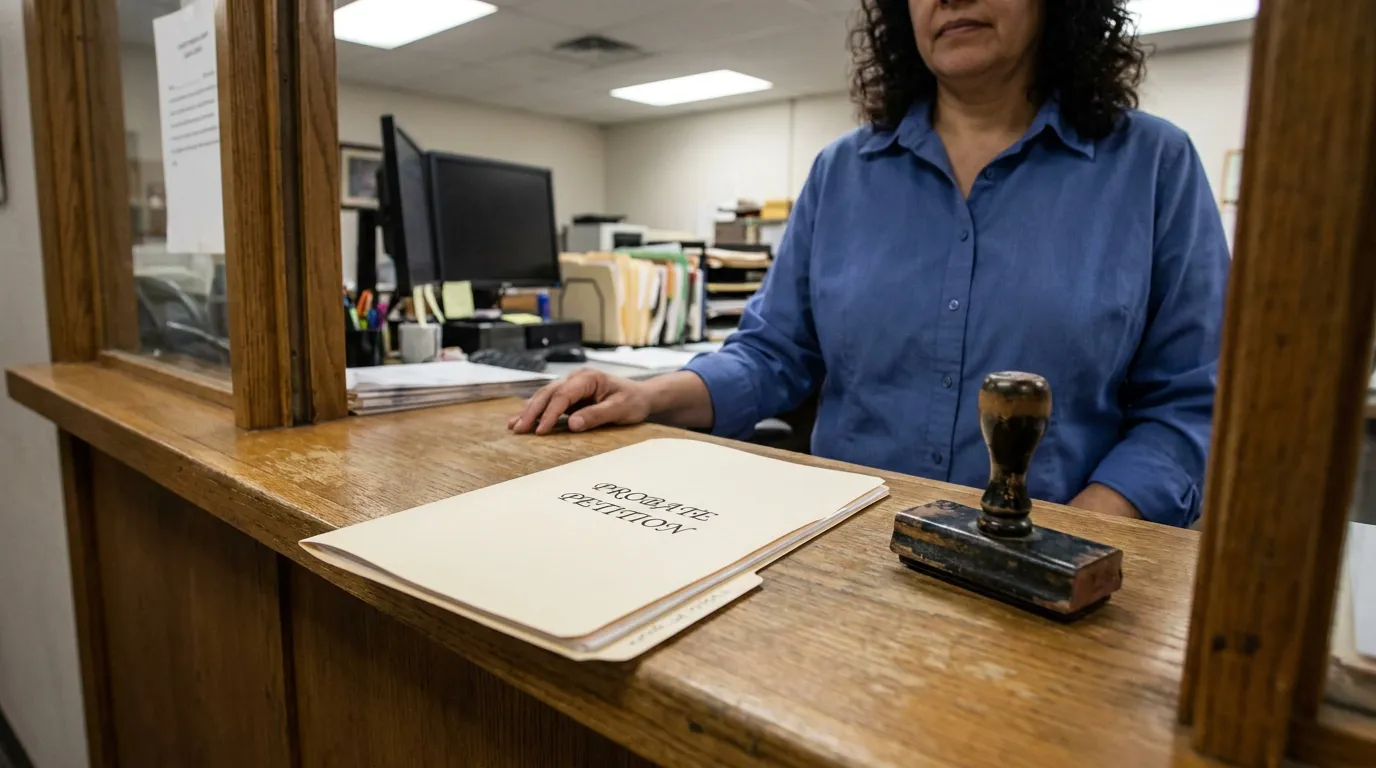
Self-dealing by a personal representative arises after someone has been appointed to administer a deceased person’s estate. New Mexico Legal Aid explains that probate grants legal authority to handle the decedent’s legal affairs. That authority carries fiduciary duties. Without appointment, there is generally no personal representative relationship to breach, though other legal theories may apply to conduct outside probate.
The duty is neither vague nor aspirational. Under § 45-3-703(A), the personal representative must settle and distribute the estate according to the probated will and Uniform Probate Code, as expeditiously and efficiently as consistent with the estate’s best interests. Authority must be used “for the best interests of successors to the estate.” Personal benefit cannot displace estate interests, and using granted powers for private gain may constitute abuse of those powers.
The Statutory Chain Beneficiaries Should Understand
Section 45-3-703 sits within Chapter 45, Article 3, Part 7 of the Uniform Probate Code, which governs personal representative duties and powers, alongside § 45-3-712 addressing improper exercise of power and § 45-3-713 addressing conflicts of interest. Under § 45-3-713, a sale, encumbrance, or other transaction involving the estate that is affected by a substantial conflict between the personal representative’s fiduciary and personal interests is voidable by any person interested in the estate except one who has consented after fair disclosure, unless the will or a contract entered into by the decedent expressly authorized the transaction or the district court approved it after notice to interested persons. Reading the personal representative fiduciary standard with neighboring sections provides the analytical framework courts apply.
Surcharge and Why “Authorization” Matters So Much
Surcharge is one potential remedy for improper administration, imposing personal financial liability on the fiduciary. Section 45-3-703(B) provides that a personal representative may not be surcharged for acts of administration or distribution if the conduct was authorized at the time. Other provisions, including §§ 45-3-712 and 45-3-713, address liability for improper exercises of power and transactions affected by substantial conflicts of interest.
What Self-Dealing Tends to Look Like in Practice
Families typically discover self-dealing through small inconsistencies that accumulate. Common patterns include:
-
Estate real property transferred to the representative, spouse, or closely held business without disclosed appraisal or court approval
-
Estate funds used for personal expenses, loans, or undocumented “advances”
-
Delayed inventory or accounting while assets are liquidated
-
Sales to family or friends at below-market prices
-
Estate assets commingled with the fiduciary’s own accounts
Not every irregularity signals wrongdoing. Administration is difficult, records are sometimes incomplete, and honest representatives may be behind. Reasonable compensation and reimbursement of proper expenses are permitted and not self-dealing. In evaluating potential self-dealing, relevant issues include whether the representative had a substantial personal conflict, whether the estate was disadvantaged, and whether the transaction was authorized, approved, or consented to after fair disclosure.
💡 Pro Tip: Preserve what you have. Emails, texts, bank statements, deeds, and the original will are easier to gather early. Ethical evidence preservation strengthens legitimate claims; destroying records may damage them.
Which Assets a Self-Dealing Claim Can Reach
Not all property passes through the personal representative’s hands. Assets such as joint tenancy real estate, Transfer on Death Deed property, payable-on-death accounts, beneficiarydesignated accounts, and trust property generally pass outside probate rather than through the personal representative. Selfdealing claims against a personal representative therefore typically concern assets under the representative’s control. Separate statutory provisions may impose liability on certain nonprobate transferees when probate assets are insufficient to satisfy allowed claims and statutory allowances.
|
Asset Type |
Generally Controlled by the PR? |
Relevance to a Self-Dealing Claim |
|---|---|---|
|
Solely owned real property in the estate |
Yes |
Commonly at issue |
|
Estate bank accounts |
Yes |
Commonly at issue |
|
Joint tenancy real estate |
No |
Generally outside the probate estate |
|
Payable-on-death accounts |
No |
Generally outside the probate estate |
|
Recorded Transfer on Death Deed property |
No |
Generally outside the probate estate |
Whether the estate is testate or intestate shapes who is owed duties. Property passes under the will or according to intestate succession laws. Devisees are named in a will; heirs are entitled to property when someone dies without a will. The representative’s duties run to estate successors, and creditor claims and statutory allowances are satisfied before distribution. Our guide on who can serve as personal representative walks through New Mexico qualifications.
Where These Disputes Are Heard, and Why Timing Counts
County probate courts in New Mexico handle only informal, uncontested proceedings. Formal probates, contested matters, property disputes, and supervised administrations fall to District Court, where executor conflict allegations are litigated. Probate courts receiving contested matters must transfer cases to District Court. Cases where the original will cannot be located must also be filed in District Court.
Filing Windows and Realistic Expectations
New Mexico probate generally must be commenced within three years after death, subject to statutory exceptions. That three-year period governs probate, testacy, and appointment proceedings rather than establishing the deadline for fiduciary breach claims. Separate limitations rules may apply to claims against a personal representative. Waiting also carries practical cost, as assets can be spent, sold, or transferred during delays.
Small estates may present narrower risk. When the value of the entire estate, wherever located and less liens and encumbrances, does not exceed $50,000, personal property may be collected by affidavit at least 30 days after death if no application or petition for appointment of a personal representative is pending or has been granted. The affidavit procedure cannot be used to perfect title to real estate.
Practical Steps for Beneficiaries Who Suspect a Problem
Start by defining what you know versus suspect. Requesting an inventory and accounting is often the first meaningful move, forcing decisions onto paper. Comparing documented values against transfers clarifies whether genuine conflict exists or delay has ordinary explanation.
Avoid avoidable missteps. Publicly accusing a fiduciary before understanding the record may harden positions and complicate negotiation. If the will itself is questioned rather than administration, our page on the NMSA 45-3-713 framework and related grounds explains how those claims differ from fiduciary breach.
💡 Pro Tip: Request accounting in writing and keep a copy. Documenting when you asked and what you received often matters as much as the underlying financial records.
Frequently Asked Questions
1. Does a personal representative ever have a legitimate reason to buy estate property?
Possibly. Under § 45-3-713, a transaction affected by a substantial conflict between the personal representative’s fiduciary and personal interests may stand if it was expressly authorized by the will or a contract entered into by the decedent, approved by the district court after notice to interested persons, or consented to by the interested person after fair disclosure.
2. Can a personal representative also be a beneficiary?
Yes, and this is common. Holding both roles is not misconduct. Concerns arise when fiduciary decisions appear to favor that person’s individual share at the estate’s expense.
3. What does “surcharge” mean for the representative personally?
Surcharge refers to personal financial liability for improper administration. Under § 45-3-703(B), a representative may not be surcharged for acts of administration or distribution if the conduct was authorized at the time. Other remedies, including removal or avoidance of certain conflicted transactions, may also be available.
4. How quickly should I act if I suspect probate fiduciary duty problems in New Mexico?
Sooner is better. Assets may be transferred while questions go unanswered, and a closing statement can trigger an important statutory deadline. Under § 45-3-1005, certain breach-offiduciary-duty claims against a personal representative are barred unless brought within six months after the closing statement is filed, although the statute preserves claims involving fraud, misrepresentation, or inadequate disclosure related to settlement of the estate. Prompt advice from a licensed New Mexico attorney can help determine which deadline applies.
5. Will I have to go to court?
Not necessarily. Many concerns resolve once an accounting is produced or explanation documented. Formal contested matters proceed in District Court, but that is not the only path.
Protecting an Inheritance Starts With Understanding the Record
Self-dealing involves a personal representative using fiduciary authority over estate property to advance personal interests at the expense of the estate or its successors. New Mexico probate law holds personal representatives to trustee standards of care and provides protection from surcharge for authorized acts of administration or distribution. For beneficiaries, practical work involves identifying which assets are in the probate estate, requesting accountings, preserving documents ethically, and understanding that outcomes are fact-dependent. Honest disagreement is far more common than deliberate wrongdoing.
Working with a local, licensed New Mexico attorney provides an unhurried, plain-English conversation about your family’s actual situation, in person or fully online, with someone still there for later questions. Walk-in Wills offers a one-hour free consultation for new estate-planning matters, with flexible scheduling including same-day and mobile options. Call (505) 903-7000 or schedule your consultation today to get clear guidance on where you stand.
Disclaimer: This content is for informational purposes only and is not legal advice. Every case is unique, and results may vary. Consult an attorney about your specific circumstances.