
Handwritten Wills in Arizona: The Short Answer
Key Takeaways: A handwritten, or holographic, will is legally valid in Mesa, Arizona under A.R.S. § 14-2503 when the testator’s signature and material provisions are in the testator’s handwriting, no witnesses or notarization required. This statewide statute applies equally throughout Arizona. The document must show genuine testamentary intent, which can be supported by extrinsic evidence and printed portions of the page. A valid holographic will gives the named personal representative first priority for appointment, though full probate is generally avoided only when the estate qualifies for a small estate affidavit (currently up to $200,000 in personal property and $300,000 in real property equity as of 2025). Common pitfalls include missing signatures, typed core terms, ambiguous language, and authenticity disputes. While a handwritten will can hold up, properly executed planning offers far greater clarity and protection.
Yes, a handwritten will can be legally valid in Mesa, Arizona, but only when it meets two specific handwriting requirements. Arizona formally recognizes what the law calls a holographic will. Under A.R.S. § 14-2503, a will can be valid even without meeting the standard formal execution requirements of § 14-2502, and no witnesses are needed. If you are holding a parent’s handwritten note or considering writing your own, the details below explain what makes such a document valid and where it can fail.
If you want peace of mind in writing, the team at Walk-in Wills is ready to help. Call 480-605-7000 for a conversation about your situation, or reach out through the firm’s estate planning contact page to schedule a time that works for you.
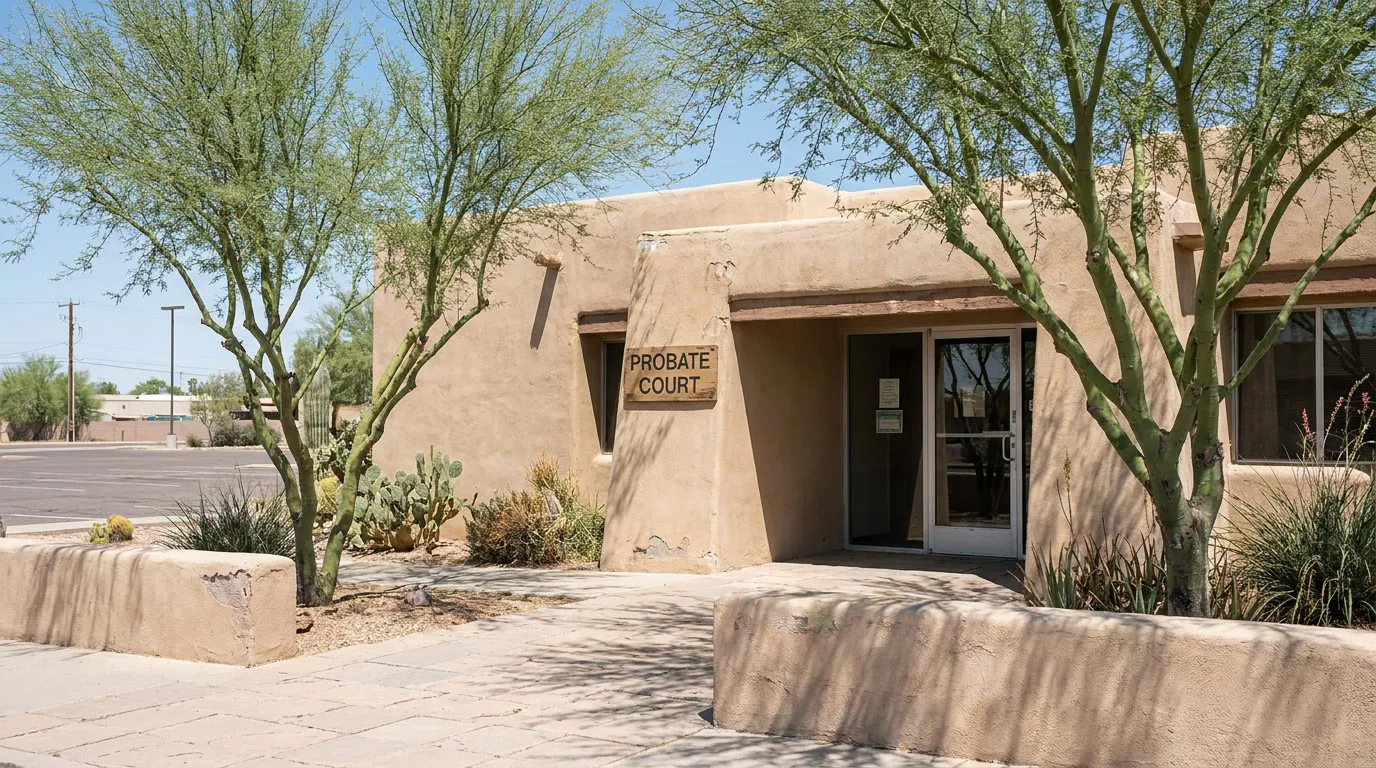
Understanding Arizona Holographic Will Requirements Under State Law
The arizona holographic will requirements come directly from a single, statewide statute that applies in Mesa just as it does everywhere else in Arizona. For a holographic will to be valid, two core elements must be met: the testator’s signature and the material provisions must both be in the testator’s handwriting.
Arizona’s execution statute sets the general framework and then carves out an exception for handwritten documents. A.R.S. § 14-2502 sets out the general execution requirements for wills and expressly references holographic wills, making clear they are an exception to standard witnessing and signing rules. You can review the state’s own text on the will execution requirements to see how the formal rules and the holographic exception fit together.
Arizona also uses different terminology than many people expect when administering an estate. Arizona uses the term personal representative rather than executor, though both describe the same role of managing and settling a probate estate. Whether a document is handwritten or formally typed, the practical goal is the same: someone must be appointed by the court to pay debts, manage assets, and distribute property.
The Two Elements That Make a Handwritten Will Valid
Everything in a valid holographic will comes down to two ingredients: the signature and the material provisions. A.R.S. § 14-2503 provides that a will not complying with section 14-2502 is valid as a holographic will, whether or not witnessed, if the signature and the material provisions are in the handwriting of the testator. You can read the full statutory language on the state’s page for ARS 14-2503.
The Testator’s Signature
A holographic will must carry the testator’s own signature to be enforceable. The signature ties the person to the document and signals that the writing reflects their final wishes. Without a genuine handwritten signature, a court may have little basis to treat the paper as a will, which is one of the most common reasons informal documents fail.
The Material Provisions in the Testator’s Handwriting
The material provisions, the core gifts and instructions, must also be in the testator’s handwriting. This is where many do-it-yourself efforts fail, because a person may fill in a store-bought or printed form and assume it qualifies. If the essential terms are typed or preprinted rather than handwritten, the document may not satisfy Arizona’s requirements.
Proving Testamentary Intent
Even a properly handwritten document must show the person intended it to serve as a will. Arizona allows this intent to be demonstrated with more than the handwriting alone. The statute confirms that a testator’s intent for a document to serve as a will can be proven through extrinsic evidence, and for holographic wills specifically, portions of the document not in the testator’s handwriting may still be considered when establishing intent. In other words, printed language on a page cannot create the gifts, but it may help a court understand the writer meant the paper to operate as a will.
How a Handwritten Will Fits Into Arizona Probate
A valid holographic will directs how an estate is settled, but it does not always trigger a full court probate. Whether formal probate is required depends largely on the size and type of assets involved. Under A.R.S. § 14-3971, as amended effective in 2025, an estate can often avoid formal probate through a small estate affidavit when solely-owned personal property does not exceed $200,000 (less liens and encumbrances) and real property equity does not exceed $300,000, so many smaller estates can bypass formal probate.
The person named in the will usually has the first opportunity to be appointed to handle the estate. Arizona Revised Statutes § 14-3203 sets out a list of who has priority for appointment, and first in line is anyone appointed as personal representative by the deceased’s will. This is one of the strongest practical reasons to have a valid will, handwritten or otherwise. To understand what that appointed person actually does, our overview of the arizona holographic will requirements lawyer process walks through estate distribution in plain language.
Personal Property and Separate Lists
Arizona lets a will point to a separate written list for certain personal belongings. This can be a helpful tool for items like jewelry, tools, or family heirlooms. A.R.S. § 14-2513(A) provides that, notwithstanding section 14-2503 relating to holographic wills, a will may refer to a written statement or list to dispose of items of tangible personal property other than money and not otherwise specifically disposed of by the will. This exception works separately from the holographic will handwriting rules and can reduce disputes among family members.
Common Pitfalls That Undermine Handwritten Wills
Handwritten wills are legal, yet they carry practical risks that a carefully prepared plan avoids. The most frequent problems tend to appear only after the writer has passed away, when it is too late to fix them.
- Missing or unclear signature. A note without a clear handwritten signature may not qualify as a will.
- Typed or preprinted core terms. If the material provisions are not handwritten, the document may fail.
- Ambiguous language. Vague gifts can lead to confusion about who receives what.
- Questions about authenticity. Families sometimes dispute whether the handwriting is genuine.
Questions about whether a signature or handwriting is authentic can become a serious sticking point. When authenticity is challenged, courts may look closely at the writing itself, and issues of forgery and handwriting authentication can complicate an otherwise simple estate. Our discussion of whether handwriting authentication can affect a will’s standing in probate court explains how these concerns are evaluated.
One contrast worth noting is how witness rules apply differently to handwritten wills. A holographic will is valid whether or not it is witnessed, so long as the signature and material provisions are in the testator’s handwriting. Formal typed wills, by contrast, generally rely on witness competency rules.
💡 Pro Tip: If you already have a handwritten will, keep it in a safe, findable place and tell your personal representative where it is. A valid will that no one can locate cannot guide anything.
Frequently Asked Questions
-
Does a holographic will need to be notarized in Arizona?
No, notarization is not part of the arizona holographic will requirements. The statute focuses on handwriting and signature, not notarization. That said, a thoughtfully prepared estate plan can add layers of clarity that a bare handwritten note usually lacks.
-
Can a printed will form count as a holographic will?
It depends on what is actually handwritten. If the material provisions on the form are typed or preprinted rather than written by hand, the document may not satisfy Arizona’s handwriting standard. Printed portions may help show intent, but they generally cannot supply the core gifts.
-
Is a handwritten will valid in Mesa specifically?
Yes, because A.R.S. § 14-2503 is a statewide statute that applies in Mesa and throughout Arizona. Walk-in Wills serves clients in Mesa, Chandler, Gilbert, and Queen Creek in person, and the entire state through its fully online process.
-
Do witnesses matter for a holographic will?
Generally, no. A holographic will is valid whether or not it is witnessed, provided the signature and material provisions are handwritten. Witness competency rules are more relevant to formal, attested wills.
-
Should I rely on a handwritten will for my estate plan?
A handwritten will can be valid, but it may leave gaps that create confusion later. Many people find that an unhurried, plain-English conversation with a local attorney produces a plan that reflects their actual wishes and is executed correctly the first time.
Bringing It All Together for Your Peace of Mind
A holographic will in Mesa can be legally valid when the signature and material provisions are in the testator’s own handwriting, no witnesses required. Still, handwritten documents can raise questions about intent, authenticity, and whether the core terms truly qualify. Understanding both the strength and the limits of Arizona will law helps families avoid surprises during an already difficult time. Thoughtful planning tends to protect beneficiaries far better than a hurried note.
When you are ready to create a plan built around your real wishes, Walk-in Wills offers face-to-face guidance and a fully online option for new estate-planning matters across Arizona. Call 480-605-7000 to speak with someone who will still be there to answer your questions after the documents are signed, or start online through the firm’s free consultation request. A little clarity today can spare your loved ones a great deal of uncertainty tomorrow.